
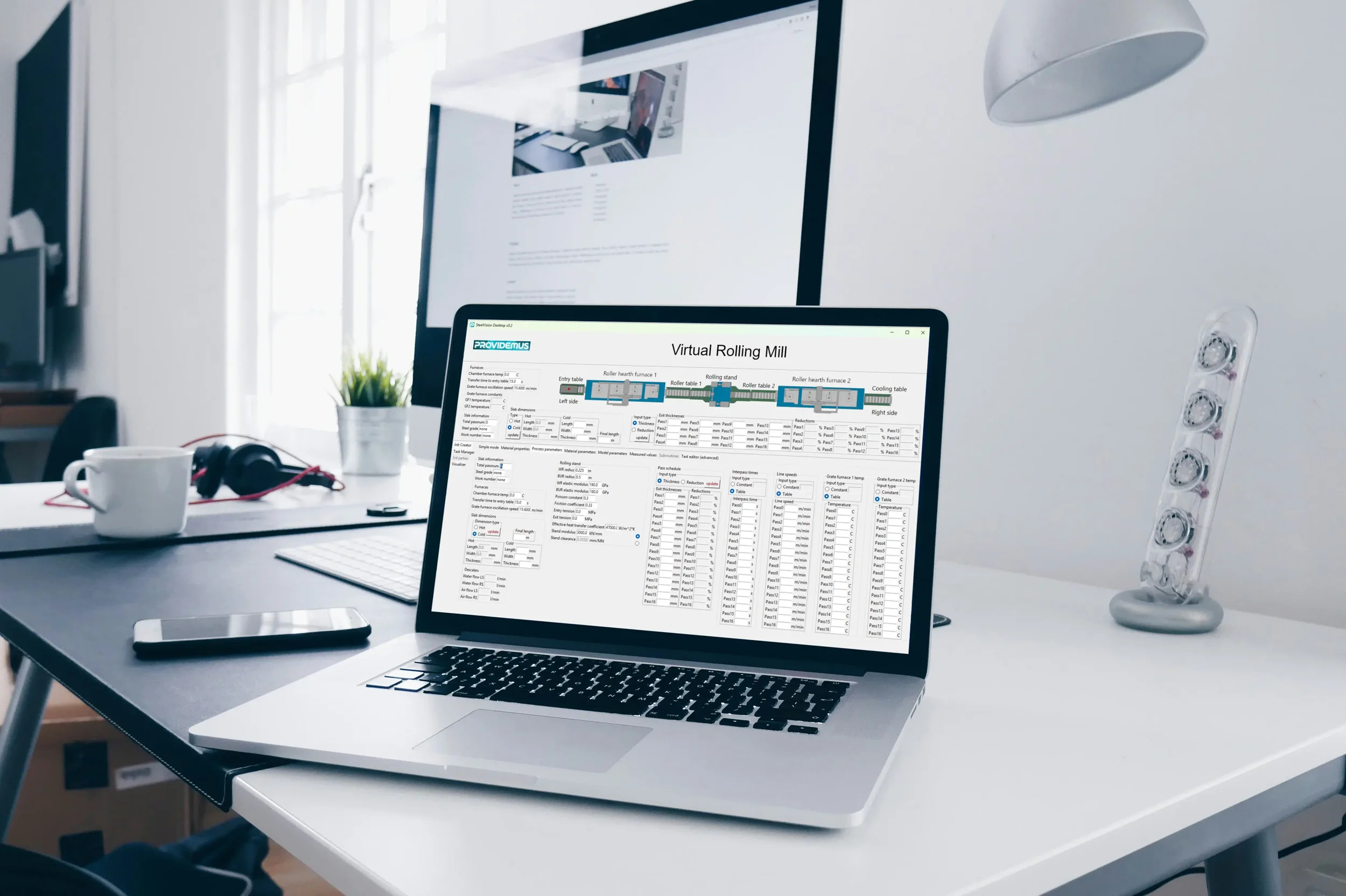
Virtual
Rolling Mill
A phenomenon-based simulation core combined with AI-augmented optimization covering the entire rolling line from reheating through finishing and coiling, not just isolated stands.

STEP 1 | SIMULATION
PHENOMENON-BASED DIGITAL TWIN
High-fidelity, physics-driven modeling of every coupled phenomenon – thermal, mechanical, and metallurgical – across the rolling mill and the product itself.

STEP 2 | OPTIMIZATION LOOP
AI-AUGMENTED ALGORITHMS
Iterative parameter tuning that drives the simulation core directly, automatically converging on throughput, material properties, and quality targets.

STEP 3 | PREDICTIONS
ACTIONABLE PROCESS INSIGHT
Final predictions for loads, temperatures, microstructure evolution, and potential defects – delivered before single coil is rolled.

ENTIRE LINE COVERAGE
From reheating to coiling – One continuous twin
Every stage is solved with the same coupled physics core – so upstream decisions propagate downstream automatically, exposing interactions that single-stand models never see.
REHEATING
ROUGHING
FINISHING
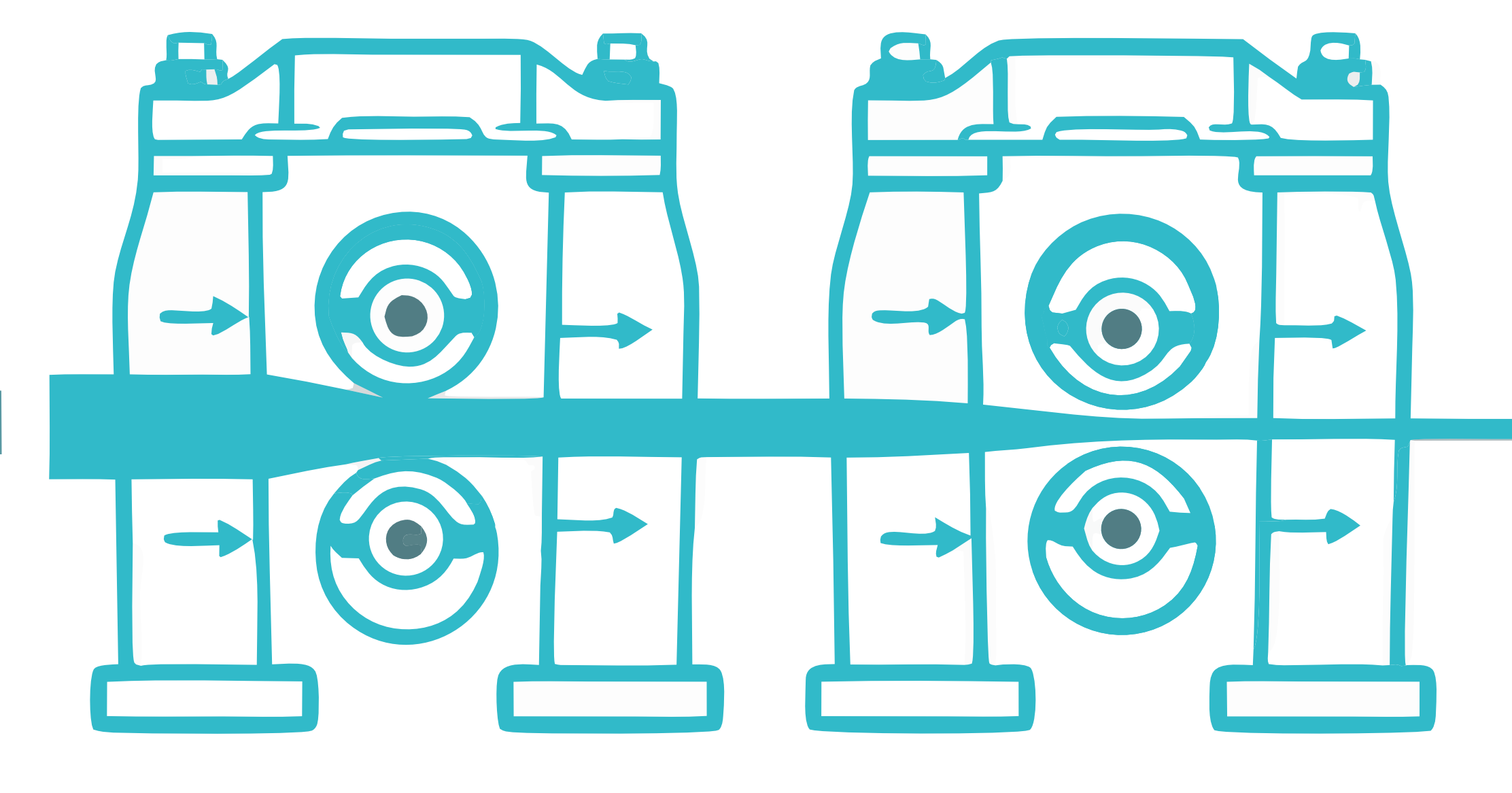
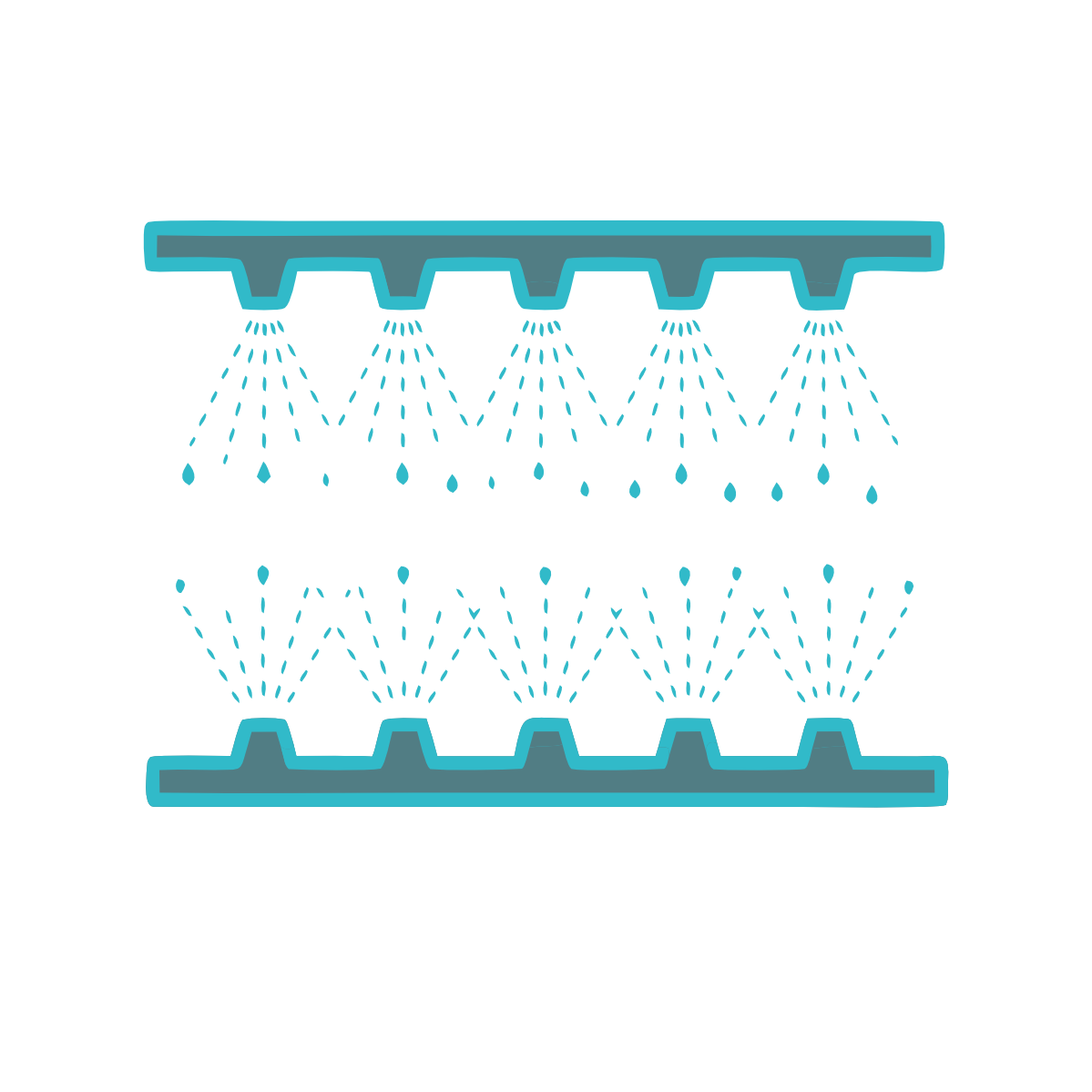
COOLING
COILING

FAQ
-
A Virtual Rolling Mill is a high-fidelity, physics-based digital twin of your rolling process.
It simulates thermo-mechanical and metallurgical phenomena across the entire production line with industrial-grade precision, enabling accurate process prediction and optimization.
-
Unlike simplified or stand-alone models, our solution combines:
Full thermo-mechanical simulation
Detailed metallurgical modeling
AI-augmented optimization
This allows you to simulate the entire process from reheating to finishing and coiling with physical models, not just isolated process steps.
-
We combine a thoughtful, human-centered approach with clear communication and reliable results. It’s not just what we do—it’s how we do it that sets us apart.
-
With Virtual Rolling Mill, you can:
Reduce or eliminate costly trial coils
Shorten R&D lead times
Improve process predictability and control
Optimize product quality and material properties
All of these contribute directly to improved mill performance and profitability.
-
By replacing physical trial-and-error with accurate virtual simulations, you can test and refine rolling parameters digitally before production. This minimizes unnecessary trials and reduces both material waste and production downtime.
-
Our platform covers the full rolling process:
Reheating
Roughing
CoilBoxing
Finishing, Steckel
Accelerated water-cooling
Coiling
Cold Rolling
Rather than optimizing individual steps, we simulate and optimize the entire process as one system.
-
The simulations are based on high-fidelity physical models that resolve:
Thermal boundary conditions
Roll gap phenomena
Microstructural evolution (e.g. recrystallization, grain growth, phase transformations)
This ensures industrial-grade accuracy suitable for real production environments. The founders have long academic careers during which they have accumulated knowledge on the state-of-the-art models related to thermo-mechanical and metallurgical simulation. These models have been implemented into the Virtual Rolling Mill solver.
-
AI is used to enhance optimization, not replace physics.
Optimization algorithms explore the process window and identify optimal parameter combinations, enabling:
Faster convergence to optimal setups
Improved material properties
Fewer physical trials
-
Yes.
Engineers benefit from deep process insight and simulation detail.
Business leaders gain clear visibility into cost savings, efficiency gains, and ROI.
-
After submitting a request:
1. Our team reviews your specific production challenges
2. We prepare a tailored demo
3. We schedule a session focused on your use case
The demo shows how Virtual Rolling Mill can directly impact your process and result.

Ready to eliminate trial coils and optimize your process?
Whether you are looking for a technical deep-dive or an overview of measurable benefits and cost savings, our team is here to help.